1976 Quarter Value Guide: The 1976 Bicentennial Quarter is one of the most talked-about coins in American history. With its bold dual date 1776–1976 and a special commemorative design, this quarter continues to attract attention from collectors and everyday people alike. Many wonder whether this seemingly common coin could secretly be worth hundreds or even thousands of dollars. While most are still worth face value, certain versions have shocked the coin market with impressive auction prices.
Collectors are always searching for hidden treasures in pocket change, and the 1976 quarter remains one of the most searched coins online. Understanding what makes some examples valuable can help you determine whether the one in your drawer is ordinary or extraordinary.
Iconic Drummer Boy Design Turns Heads
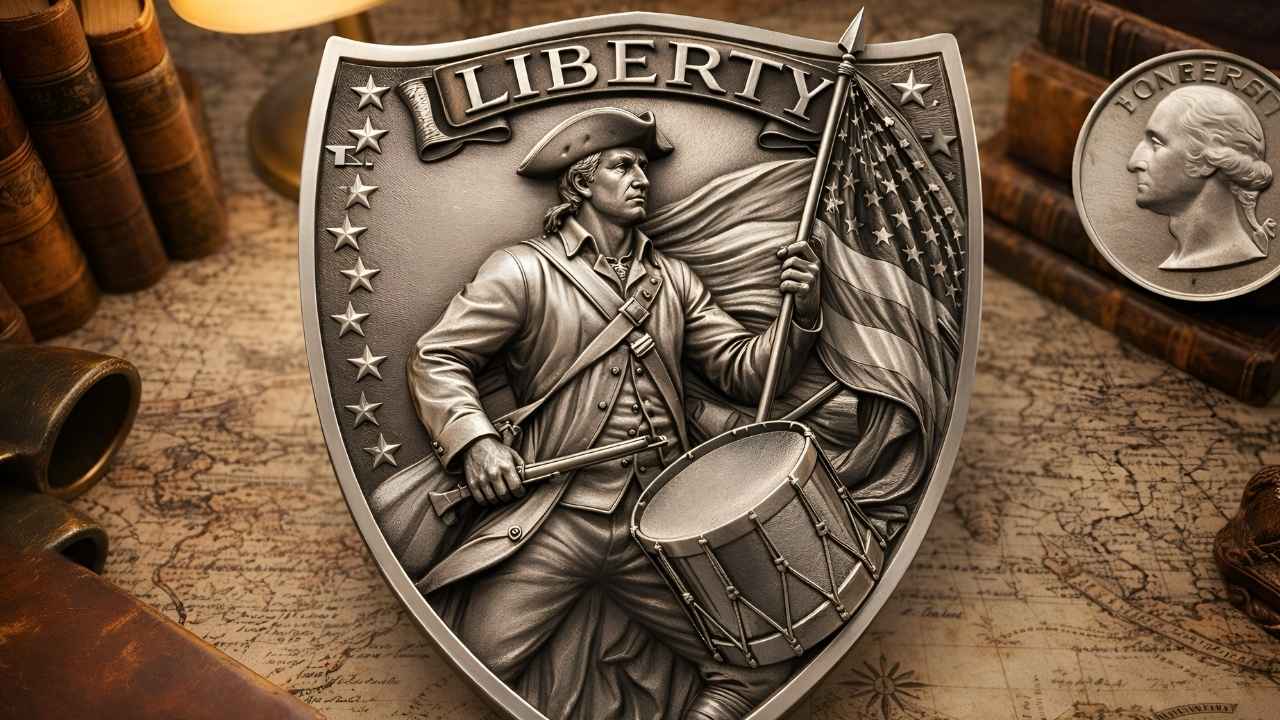
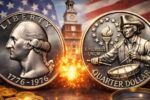
The most noticeable feature of the 1976 quarter is its unique reverse design. Instead of the traditional eagle, it showcases a Colonial drummer boy standing proudly with a torch and 13 stars representing the original colonies. This special artwork was created to celebrate America’s 200th anniversary of independence. The patriotic theme and distinctive appearance make it one of the most recognizable quarters ever minted.
The obverse still features George Washington, but the dual date 1776–1976 replaces the standard single year. This change alone makes the coin feel historic and collectible.
Massive Mintage Yet Strong Demand
One reason the 1976 quarter is usually not rare is its enormous production numbers. More than 1.6 billion Bicentennial quarters were minted across different facilities. Because of this high mintage, most circulated examples remain worth only 25 cents. However, demand from collectors keeps interest alive.
The high production doesn’t eliminate value entirely. Condition, rarity variations, and mint errors can dramatically increase a coin’s price. Even coins with large mintages can become valuable when preserved in exceptional condition.
Mint Marks Make A Difference
The 1976 quarter was produced at three U.S. Mint facilities: Philadelphia, Denver, and San Francisco. Coins from Philadelphia have no mint mark. Denver coins display a small “D,” while San Francisco pieces carry an “S.”
San Francisco produced both proof coins and special 40 percent silver versions. These silver quarters were not released for general circulation and were sold in collector sets. Silver versions are automatically worth more than face value because of their precious metal content.
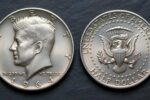
Checking the mint mark beneath Washington’s neck is one of the first steps in identifying potential value.
Silver Versions Carry Extra Weight
Not all 1976 quarters are made from standard copper-nickel clad composition. The San Francisco Mint struck special 40 percent silver quarters specifically for collectors. These coins were included in proof sets and uncirculated mint sets.
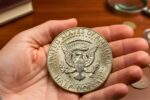
Silver Bicentennial quarters weigh slightly more and have a different edge appearance compared to regular clad coins. Instead of a visible copper stripe along the edge, silver pieces show a solid silver color. Depending on silver prices and condition, these coins can be worth several dollars or significantly more in high grades.
Condition Can Multiply Value
Coin grading plays a huge role in determining a 1976 quarter’s worth. Circulated coins that show wear from daily use usually remain close to face value. However, uncirculated examples with sharp details and strong luster can command much higher prices.
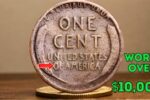
Coins graded Mint State 65 or above by professional grading services often sell for premium amounts. The difference between an average coin and a pristine one can mean hundreds of dollars. Keeping coins protected from scratches, fingerprints, and environmental damage is essential for preserving value.
Rare Mint Errors Spark Excitement
Mint errors are where things get interesting. Certain 1976 quarters with production mistakes have sold for impressive sums. Off-center strikes, doubled dies, and wrong planchet errors are especially desirable among collectors.
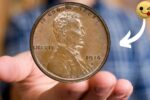
A doubled die error occurs when the design is accidentally stamped twice, creating a visible doubling effect in lettering or numbers. These rare varieties are much scarcer than standard issues. When authenticated and graded, some error coins have reached hundreds or even thousands of dollars at auction.
Examining the coin carefully under magnification can help reveal hidden error details.
Proof Coins Shine Brighter
Proof versions of the 1976 quarter were specially made for collectors using polished dies and specially prepared blanks. These coins have mirror-like surfaces and crisp, frosted details. San Francisco proof quarters carry the “S” mint mark.
Proof coins are usually found in original government packaging. While common proof examples are affordable, high-grade silver proofs can command premium prices. Deep Cameo or Ultra Cameo designations add even more value due to their strong contrast between frosted designs and mirrored backgrounds.
High Grade Auction Surprises
Although most Bicentennial quarters are common, a few top-condition coins have shocked collectors. In rare cases, professionally graded examples in extremely high Mint State grades have sold for thousands of dollars. These coins often show flawless surfaces, exceptional strike quality, and full luster.
Auction records demonstrate that rarity in grade can matter more than total mintage numbers. A coin that survived nearly five decades without wear can become far more desirable than one that circulated heavily.
How To Check Your Quarter
Start by inspecting the mint mark and overall condition. Look closely for scratches, discoloration, or wear on Washington’s hair and the drummer boy’s details. Use a magnifying glass to search for doubling or unusual features.
Weighing the coin can also help identify silver versions. If you suspect you have a valuable example, consider having it evaluated by a reputable coin dealer or professional grading service. Proper authentication protects you from misidentification and ensures accurate market value.
Market Trends And Collector Interest
The 1976 quarter remains popular because of its historical significance and nostalgic appeal. Many collectors build complete Bicentennial sets, including clad, silver, and proof versions. Demand tends to rise during patriotic anniversaries or when interest in coin collecting increases.
Silver market fluctuations also influence prices for the 40 percent silver versions. While ordinary circulated coins may not be rare, collector-grade pieces continue to maintain steady demand in the numismatic market.
Final Verdict On Value
Most 1976 Bicentennial quarters found in circulation are worth face value. However, silver versions, proof editions, high-grade uncirculated coins, and rare mint errors can be worth far more. The key lies in condition, mint mark, composition, and rarity.
Before spending or dismissing your 1976 quarter, take a closer look. While the majority are common, a small percentage hold real collector value. That simple quarter in your pocket might not make you rich overnight, but under the right circumstances, it could certainly be worth much more than 25 cents.