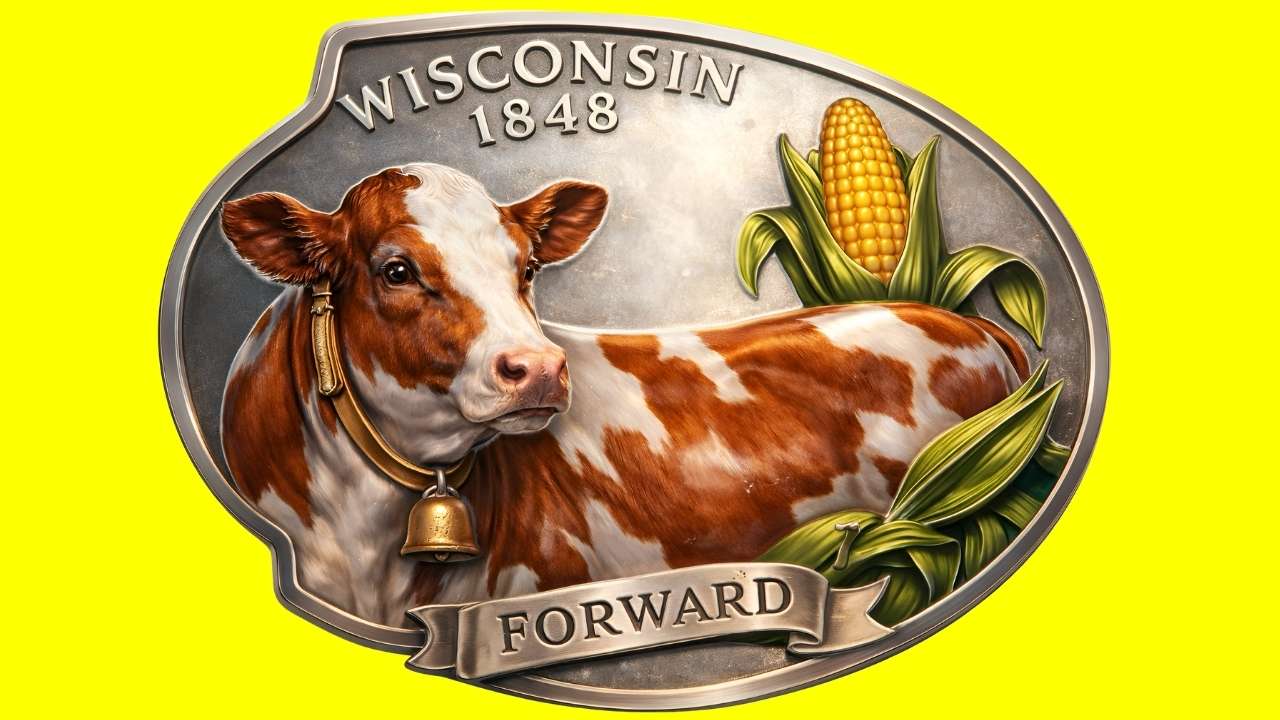
A single quarter rarely attracts headlines, but the 2004 Wisconsin State Quarter did exactly that. What began as part of a nationwide coin program quickly turned into one of the most fascinating modern mint errors in U.S. history. Reports of certain coins selling for thousands of dollars created a wave of excitement among collectors and everyday Americans alike. The buzz centered around a small but powerful detail on the coin’s design known as the Extra Leaf Error.
Today, this quarter remains one of the most searched and discussed error coins in circulation. Here is a fresh, in-depth look at why this coin shocked the collecting world and how you can determine if you own one.

The State Quarter That Made Headlines
The Wisconsin quarter was released in 2004 as part of the U.S. Mint’s 50 State Quarters Program, a series that ran from 1999 to 2008. The reverse design honors Wisconsin’s agricultural roots, featuring a dairy cow, a wheel of cheese, and an ear of corn. At first glance, the coin looks completely ordinary.
However, shortly after its release, collectors noticed something unusual on some Denver-minted versions. A small number of coins displayed an additional leaf on the corn stalk, a feature that was not part of the official design. That subtle difference instantly transformed common pocket change into a modern collectible sensation.
The Extra Leaf That Changed Everything
The Extra Leaf Error appears on the left side of the corn husk. Instead of the standard two leaves, certain coins show a third, unexpected leaf. There are two recognized varieties: Extra Leaf High and Extra Leaf Low.
The High version features an extra leaf pointing upward, while the Low version shows it angled downward, closer to the cheese wheel. Both varieties are considered genuine mint errors and are highly sought after. The discovery triggered intense discussions among collectors about how such an error could have passed quality control.
Some experts believe the error resulted from accidental damage to the die used in striking the coins. Others argue that it may have been caused by intentional die alteration, though no definitive proof supports that theory. Regardless of origin, the error is real and collectible.
Why Some Quarters Reach $6,000
Not every Wisconsin quarter is valuable. Only the Denver-minted coins displaying the Extra Leaf Error carry significant premiums. Condition plays a massive role in determining value.
Coins graded in high Mint State condition, especially those with sharp details and strong luster, have sold for several thousand dollars at major auctions. In exceptional cases, prices have reached around $6,000. Circulated examples typically sell for hundreds rather than thousands, but even that is an extraordinary return on a 25-cent coin.
Professional grading services evaluate factors such as surface preservation, strike quality, and overall eye appeal. A certified coin with a high grade will always attract more serious buyers.
How To Identify A Valuable One
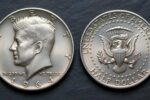
If you want to check your own quarters, start by looking at the obverse side for the “D” mint mark under the phrase “In God We Trust.” Only Denver Mint coins are known to carry the Extra Leaf varieties.
Next, carefully inspect the reverse side. Focus on the corn stalk and examine the left side for an additional leaf shape that appears separate from the standard design. A magnifying glass or coin loupe can help reveal finer details.
Be cautious, as scratches or post-mint damage can sometimes resemble an extra leaf. The real error has defined edges consistent with the rest of the coin’s strike. When in doubt, submitting the coin for professional authentication is recommended.
Market Demand Remains Strong
Interest in the 2004 Wisconsin Extra Leaf quarter has remained steady over the years. While the initial discovery created a price spike, the coin has settled into a stable collector favorite.
Demand remains strong for high-grade examples, especially those graded MS65 and above. Collectors appreciate modern error coins because they combine rarity with accessibility. Unlike ancient coins or rare gold pieces, this error can still occasionally be found in circulation, which adds excitement to the hunt.
Online marketplaces and auction platforms frequently feature listings, and competitive bidding continues for well-preserved examples. The coin’s popularity ensures it remains relevant in the modern numismatic market.
What Makes Modern Errors So Exciting
The Wisconsin Extra Leaf quarter stands out because it proves that valuable coins are not limited to centuries-old rarities. Modern mint errors offer collectors a thrilling mix of affordability and discovery.
Several factors make this coin special:

• It is part of a widely collected national series
• The error is visually noticeable
• Two distinct varieties exist
• It was discovered in circulation
• High-grade examples command impressive prices
The combination of national distribution and limited error production created the perfect formula for long-term interest. Collectors love coins with a compelling backstory, and this quarter certainly has one.

Comparing High And Low Varieties
Both Extra Leaf High and Extra Leaf Low versions are desirable, but some collectors prefer one over the other. Pricing differences often depend on condition rather than variety alone. However, availability can influence short-term demand.
Here is a general comparison overview:
Feature Extra Leaf High Extra Leaf Low
Leaf Position Points upward Angles downward
Visual Impact More prominent Slightly subtle
Collector Demand Very strong Very strong
Top Auction Results Comparable Comparable
Ultimately, both versions hold strong market value, especially in certified Mint State grades.
How To Protect And Preserve It
If you believe you have found an Extra Leaf Wisconsin quarter, proper storage is crucial. Avoid cleaning the coin, as cleaning can drastically reduce its value. Even light polishing can damage the surface and lower its grade.
Instead, place the coin in a protective holder or coin flip to prevent scratches. Store it in a cool, dry environment away from humidity. If the coin appears to be in excellent condition, consider professional grading to maximize its potential value.
Preservation is often the difference between a coin worth a few hundred dollars and one worth several thousand.
Final Verdict On This Rare Quarter
The 2004 Wisconsin Extra Leaf quarter remains one of the most fascinating modern mint errors ever discovered. What makes it remarkable is not just its value, but its accessibility. This is a coin that ordinary people once received as change at grocery stores and gas stations.
While not every example is worth $6,000, certified high-grade pieces have proven that small details can create massive value. For collectors and casual coin hunters alike, the lesson is simple: never underestimate the coins in your pocket. Sometimes, hidden treasure comes in the form of a single, unexpected leaf.