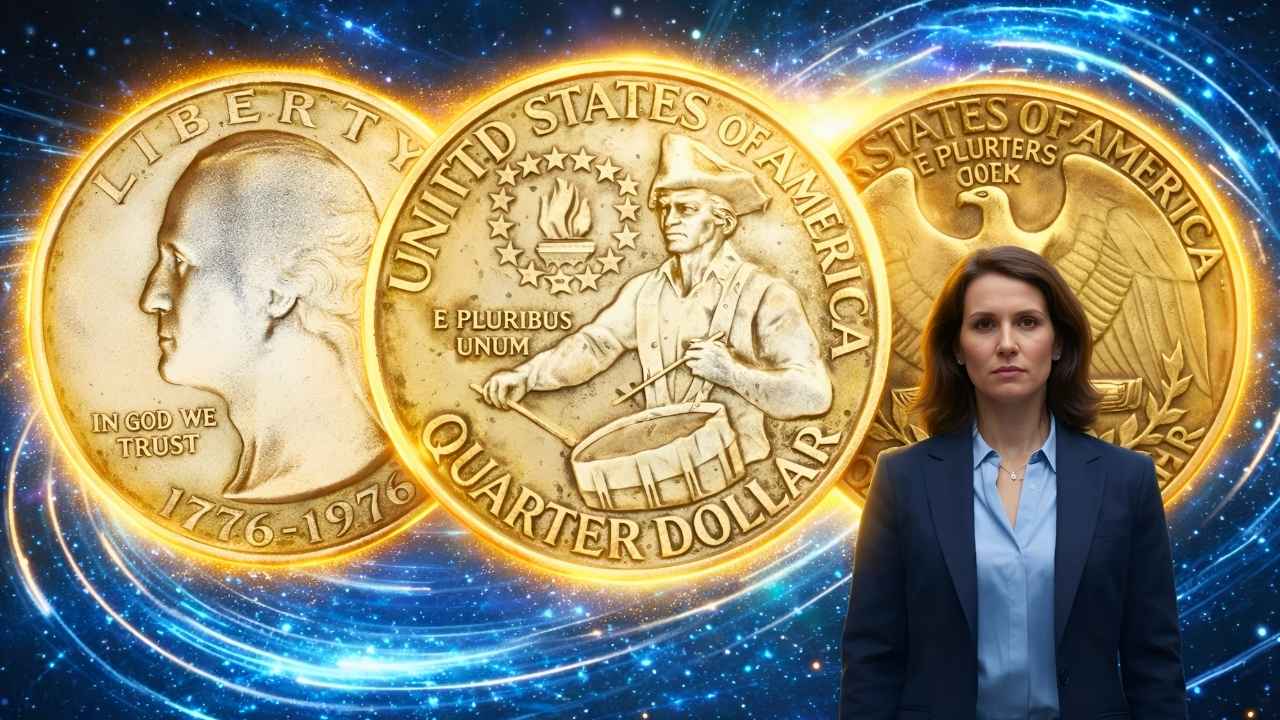
1776–1976 Bicentennial Quarter Value 2026: The 1776–1976 Bicentennial Quarter remains one of the most talked-about modern U.S. coins in 2026. Created to celebrate America’s 200th anniversary of independence, this quarter stands apart from standard Washington issues thanks to its dual date and special reverse design. While millions were produced, not every Bicentennial Quarter carries the same value today. Certain silver varieties, rare mint errors, and high-grade certified examples are commanding strong attention from collectors and investors alike.
Below is a complete and updated value guide designed to help collectors understand what makes this coin special in today’s market.
Historic Design That Changed Tradition
The Bicentennial Quarter broke tradition by replacing the usual eagle reverse with a Colonial drummer design. The dual date 1776–1976 appears on the obverse beneath George Washington’s portrait. This unique artwork symbolized America’s revolutionary spirit and national pride. Unlike regular yearly releases, this design was produced only for the Bicentennial celebration, giving it lasting historical appeal that continues to attract collectors nearly five decades later.
Massive Production Yet Select Rarity
At first glance, the Bicentennial Quarter appears common because the United States Mint struck hundreds of millions in Philadelphia and Denver. However, rarity does not always depend solely on mintage numbers. Condition rarity plays a significant role. While circulated examples remain worth face value, sharply preserved coins with strong luster and no wear are much harder to find in 2026, especially in top Mint State grades.
Silver Varieties With Intrinsic Value
Not all Bicentennial Quarters were struck in copper nickel clad composition. The San Francisco Mint produced special 40 percent silver versions for collector sets. These silver quarters were never meant for daily circulation, making them more desirable. Their melt value fluctuates with silver prices, but in 2026 they generally trade above regular clad examples. High-quality silver proofs or uncirculated pieces can reach significantly higher premiums depending on demand.
Rare Errors That Drive Prices
Error coins often create the biggest headlines in numismatics, and the Bicentennial Quarter is no exception. Collectors actively search for doubled die obverse errors, off center strikes, clipped planchets, and strike-through imperfections. A strong doubled die visible in the date or lettering can push values into the hundreds or more. Dramatic off center errors are especially eye-catching and can sell for impressive sums when authenticated.
High Grade Coins Command Premiums
Condition remains the ultimate price factor. Coins graded MS67, MS68, or higher are scarce because most Bicentennial Quarters entered heavy circulation during the late 1970s and 1980s. In 2026, collectors are paying substantial premiums for coins with blazing luster, sharp strike details, and minimal contact marks. Certified top-population examples have reached thousands of dollars in competitive auction settings.
Proof Versions With Mirror Finish
Proof Bicentennial Quarters were struck with polished dies to produce mirror-like surfaces and crisp details. These coins carry the S mint mark and were packaged for collectors. Deep Cameo proof examples with strong contrast between frosted devices and reflective backgrounds are particularly desirable. In pristine condition, these proof coins can significantly outperform circulated issues, especially when professionally graded.
How To Identify Valuable Examples
Evaluating a Bicentennial Quarter begins with examining the mint mark. No mint mark indicates Philadelphia, D represents Denver, and S stands for San Francisco. Weighing the coin can help identify silver versions, as they are slightly heavier than clad coins. Inspect the coin under magnification for doubling in the lettering, unusual strike patterns, or off center alignment. Avoid cleaning the coin, as that can dramatically reduce value.
Market Trends In 2026
Coin collecting continues to grow in popularity, especially through digital marketplaces and online grading services. Younger collectors are increasingly drawn to historically significant coins that remain affordable entry points. The Bicentennial Quarter fits this category perfectly. While common examples remain inexpensive, certified high-grade pieces and documented mint errors are steadily appreciating as supply tightens and demand increases.
Long Term Investment Potential
Although the Bicentennial Quarter is not considered rare in general circulation, specific varieties show strong long-term potential. Silver examples provide a built-in hedge against metal price fluctuations. Error coins remain desirable due to their uniqueness. High-grade certified coins benefit from condition scarcity. For collectors building a modern U.S. type set, this quarter remains a cornerstone piece with enduring appeal.
Common Myths And Realistic Values
Online rumors sometimes exaggerate the value of ordinary Bicentennial Quarters, claiming they are worth thousands simply because of the dual date. In reality, most circulated coins remain worth 25 cents. Only coins with verified silver content, confirmed mint errors, or exceptional grades reach higher price levels. Understanding this distinction protects collectors from misinformation and unrealistic expectations.
Storage And Preservation Tips
Proper storage is essential for maintaining value. Use non PVC coin holders or capsules to protect against environmental damage. Keep coins in a dry, temperature-controlled space. Handling coins by the edges prevents fingerprints and surface damage. If you believe your coin is high grade or rare, professional grading may provide authentication and increase market confidence.
Final Verdict For 2026 Collectors
The 1776–1976 Bicentennial Quarter remains an iconic piece of American coinage history. While most examples carry only face value, select silver varieties, dramatic mint errors, and top-grade certified coins can be surprisingly valuable in 2026. Collectors who take the time to examine condition, mint mark, and authenticity may uncover hidden treasures. This patriotic quarter continues to bridge history and modern collecting, proving that even a familiar coin can still hold exciting possibilities.