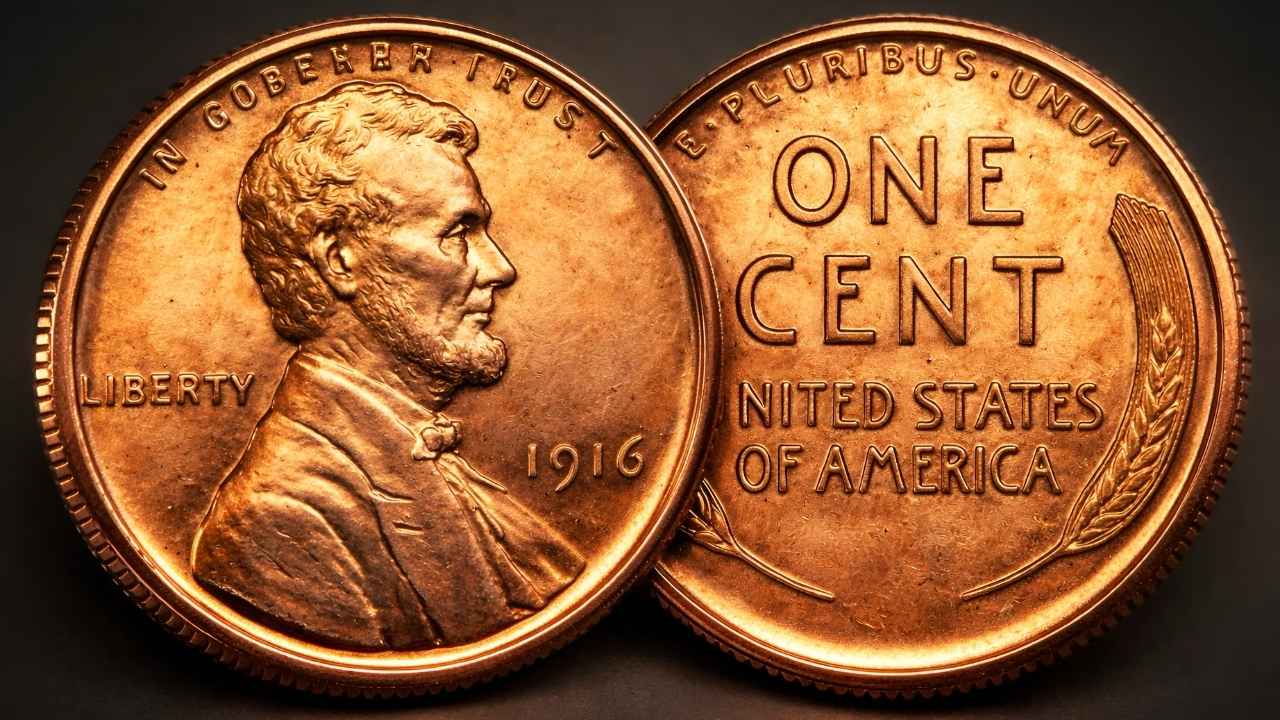
1916-S Wheat Penny Value Guide: The 1916 S Wheat Penny continues to surprise collectors with its steady rise in value and strong demand in today’s rare coin market. At first glance, it looks like any other old Lincoln cent. But look closer, and you will discover a coin that represents early 20th century American history, limited San Francisco production, and serious collector interest. For anyone searching pocket change, inherited coin jars, or estate collections, this particular Wheat cent deserves careful attention.
Small Mint Mark Big Money
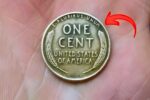
The most important detail on this coin is the small “S” mint mark located just below the date. That tiny letter tells you the coin was struck at the San Francisco Mint. In 1916, production numbers there were significantly lower than in Philadelphia. Because of that, fewer 1916 S pennies entered circulation. Over time, heavy use wore many of them down, making well-preserved examples increasingly difficult to find today.
A Century Old Survivor
This coin is more than 100 years old, which automatically adds historical appeal. The 1916 S Wheat Penny was part of the original Lincoln cent series that began in 1909. Designed by Victor David Brenner, the coin was the first regular U.S. issue to feature a real historical figure. Many 1916 S cents circulated heavily during World War I era commerce, meaning high-grade survivors are far less common than lower-grade pieces.
Mintage Numbers Tell Story
The San Francisco Mint struck just over 22 million of these coins in 1916. While that may seem like a large number, it is modest compared to other Lincoln cents that saw mintages exceeding 100 million. When you factor in loss, damage, melting, and natural attrition over a century, the actual number of collectible pieces shrinks dramatically. That shrinking supply is a key reason why values remain strong.
Value Depends On Grade
The 1916 S Wheat Penny can range widely in value depending on condition. In heavily worn Good condition, examples often sell for modest prices, typically starting around a few dollars. However, coins in Fine to Extremely Fine condition can reach significantly higher values. Once you move into uncirculated territory, prices can climb into the hundreds. Gem quality coins with original luster and minimal marks can command four-figure price tags at auction.
What Makes High Grades Rare
Most 1916 S pennies were used daily for purchases, which resulted in worn surfaces and flattened details. Finding one with sharp wheat stalk lines on the reverse and strong hair detail on Lincoln’s portrait is uncommon. Mint State coins that never entered circulation are particularly scarce. These coins retain original mint luster and crisp edges, qualities that serious collectors are willing to pay a premium for in today’s competitive market.
Watch For Counterfeits Carefully
Because of its popularity, the 1916 S Wheat Penny has been subject to counterfeiting and mint mark alterations. Unscrupulous sellers sometimes add a fake “S” mint mark to a Philadelphia coin. Under magnification, altered mint marks may appear uneven, incorrectly positioned, or show tool marks around the letter. For higher-value examples, professional grading and authentication provide peace of mind and significantly improve resale potential.
Color Matters More Than You Think
Copper coins are often categorized by color as Brown, Red Brown, or Red. A fully Red 1916 S Wheat Penny, especially in Mint State grades, is far more desirable than a Brown example. Original red copper surfaces indicate minimal oxidation and superior preservation. Collectors frequently pay substantial premiums for Red examples because they are extremely difficult to find after more than a century of exposure.
Auction Records Create Buzz
Over the years, high-grade 1916 S Wheat Pennies have produced impressive auction results. While circulated examples remain accessible to many collectors, pristine Mint State coins have sold for thousands of dollars. These strong sales reinforce the coin’s reputation as a semi key date in the Lincoln cent series. Public auction exposure also helps establish market confidence and keeps demand steady among investors and hobbyists alike.
Why Demand Remains Strong
Lincoln Wheat cents are one of the most widely collected U.S. coin series. Many collectors attempt to complete full date and mint mark sets, which naturally increases demand for scarcer issues like the 1916 S. Its combination of age, lower mintage, and historical context makes it a necessary addition for serious set builders. That consistent demand supports long-term value stability even during broader market fluctuations.
Smart Collecting Strategy
If you are considering adding a 1916 S Wheat Penny to your collection, patience and research are essential. Study grading standards carefully and compare recent market sales. Avoid cleaned or damaged coins, as these can lose value quickly. For higher-grade examples, certified coins from respected grading services are generally safer purchases. A well-chosen example with strong eye appeal can remain a valuable centerpiece for decades.
Hidden Treasure In Plain Sight
One of the most exciting aspects of the 1916 S Wheat Penny is that it still occasionally appears in inherited collections or old coin jars. Many people overlook the mint mark or underestimate the importance of condition. Taking time to carefully examine each Lincoln cent from the 1910s could reveal a coin worth far more than one cent. Even modest-grade examples can outperform their face value by a wide margin.
Final Verdict On Its Worth
The 1916 S Wheat Penny stands as a powerful reminder that small details can create big value. Its San Francisco origin, century-old history, and limited surviving high-grade population make it a standout in the Lincoln cent series. Whether you are a beginner collector or a seasoned numismatist, this coin offers both historical charm and strong market potential. In the world of rare coins, the tiny “S” below the date can truly make all the difference.