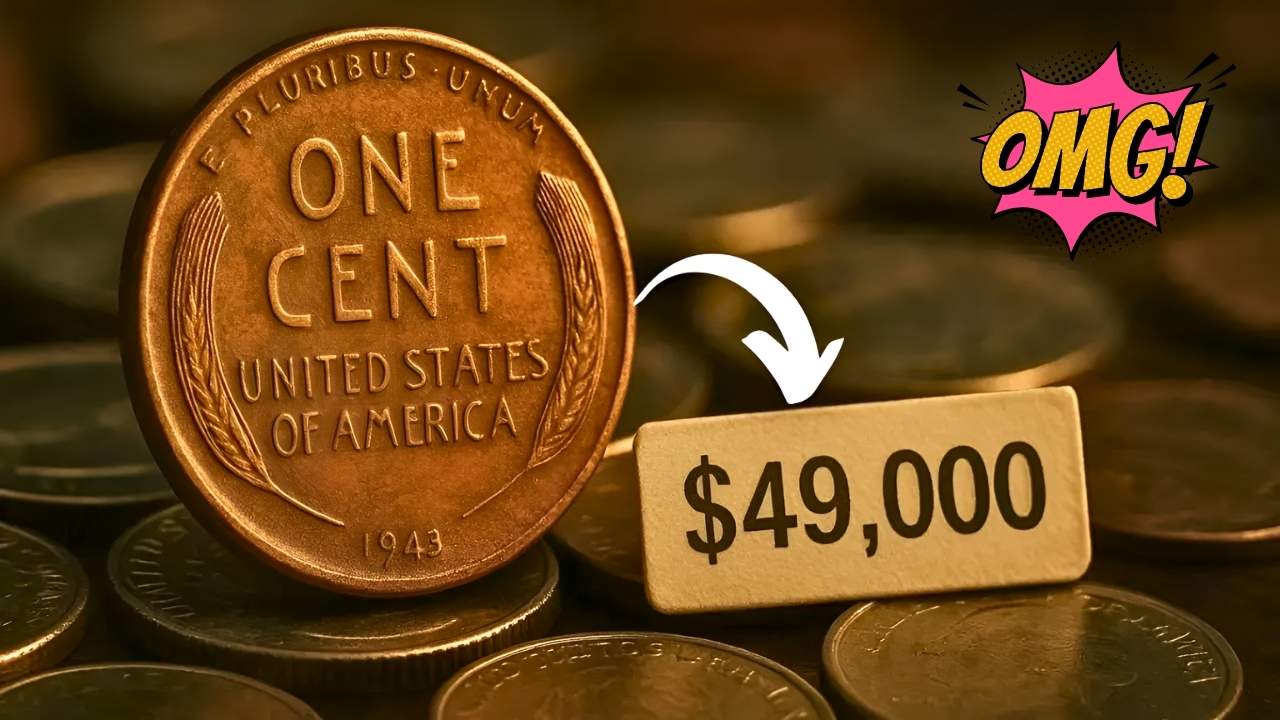
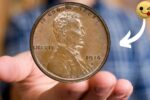
1909–1958 Lincoln Wheat Penny Prices: The Lincoln Wheat Penny is more than just an old one-cent coin. For millions of collectors, it represents history, craftsmanship, and the thrill of discovering hidden value in everyday change. Minted between 1909 and 1958, these small copper coins have become one of the most studied and collected series in American numismatics. Some are worth only a few cents, while others can sell for thousands of dollars depending on year, mint mark, rarity, and condition.
Understanding Lincoln Wheat Penny prices requires more than just checking the date. Market demand, coin preservation, strike quality, and even color all play important roles. Below is a detailed, fresh and fully updated guide to help you understand how values change from year to year and condition to condition.
A Historic Beginning That Changed Coins Forever
The Lincoln Wheat Penny was first introduced in 1909 to honor the 100th birth anniversary of Abraham Lincoln. Designed by Victor David Brenner, it marked the first time a real historical figure appeared on a regular-issue U.S. coin.
The very first year produced some of the most valuable pieces in the series. The 1909-S VDB, minted in San Francisco with the designer’s initials on the reverse, is considered a key date. In circulated condition, it often sells between $700 and $1,500. In Mint State grades, prices can climb well above $3,000 depending on color and surface quality.
Early Key Dates That Drive Prices Higher
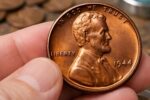
Several early years between 1910 and 1920 are highly sought after. The 1914-D is one of the most famous rarities. Even a well-worn example can bring $200 to $400. In Extremely Fine condition, it may reach $1,000 or more.
The 1922-D is another standout. That year, no pennies were produced at the Philadelphia Mint, making Denver issues the only official strikes. High-grade examples of the 1922-D can sell for several thousand dollars. These early key dates form the backbone of serious Wheat Penny collections.
Scarcity From The Depression Era
The Great Depression years created unique collecting opportunities. Lower mintages during economic hardship mean fewer coins were saved. The 1931-S is one of the most popular semi-key dates from this period. Circulated pieces may range from $80 to $150, while Mint State coins can reach $500 or more.
Even common dates from the late 1920s, such as the 1926-S, can command strong premiums in higher grades. The scarcity factor becomes especially important when coins retain original red luster.
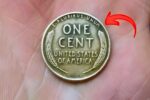
Wartime Metal Changes That Created Legends
World War II dramatically impacted penny production. In 1943, copper was needed for military supplies, so the Mint produced pennies using zinc-coated steel. Most 1943 steel cents are affordable, usually priced between 20 cents and $5 depending on condition.
However, a small number of 1943 pennies were accidentally struck in bronze. These rare errors are among the most valuable Lincoln Wheat Pennies ever discovered, sometimes selling for over $100,000. In 1944, the reverse mistake occurred when leftover steel planchets were used. These 1944 steel cents can also command five-figure auction results.
Condition Is The True Price Multiplier
A Wheat Penny’s value can change dramatically depending on its condition. Coins are typically graded from Poor to Mint State. A common 1945 penny in heavily circulated condition might be worth just a few cents. The same coin in Mint State Red condition could sell for $20 to $50 or more.
Collectors especially value coins with bright original red color. Brown or red-brown coins generally sell for less. Professional grading services assign numerical grades, and each point increase in grade can significantly boost value.
Mint Marks That Make A Difference
Lincoln Wheat Pennies were minted in Philadelphia, Denver, and San Francisco. Philadelphia coins carry no mint mark, Denver coins feature a “D,” and San Francisco coins show an “S.”
San Francisco issues from the early years are often more scarce. For example, the 1911-S and 1913-S typically command higher prices compared to their Philadelphia counterparts. Mint mark placement and clarity also matter. Strongly struck mint marks are more desirable among collectors.
Popular Mid Century Collectibles
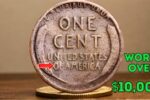
Pennies from the 1940s and 1950s are more common, but that does not mean they lack value. The 1955 doubled die penny is one of the most famous error coins in American history. Even in circulated condition, it can sell for over $1,000. In higher grades, prices may exceed $10,000.
Common 1950s Wheat Pennies usually trade between 3 cents and 50 cents in circulated condition. However, superb gem examples graded MS67 Red can sell for hundreds due to their flawless surfaces and strong eye appeal.
Year By Year Price Patterns Explained
Generally, Wheat Penny prices follow a clear pattern. Early years from 1909 through the mid-1920s tend to carry stronger premiums due to lower survival rates. Depression-era coins often show moderate scarcity. Wartime errors create extreme value spikes. Late 1940s and 1950s coins are typically affordable unless found in exceptional grades.
Collectors building complete sets must carefully balance rarity and budget. Some dates are challenging but attainable, while others require significant investment.
Storage And Preservation Secrets
Proper storage can protect and even enhance long-term value. Coins should never be cleaned, as cleaning damages surfaces and lowers collector demand. Store pennies in acid-free holders or coin albums designed for long-term preservation.
Humidity and environmental exposure can cause corrosion, particularly on steel cents. Keeping coins in a cool, dry place helps maintain original luster. Certified coins sealed in protective holders often command higher resale prices because buyers trust authenticated grading.

Market Trends And Collector Demand
The Lincoln Wheat Penny market remains strong due to steady collector interest. New hobbyists often start with this series because it is affordable and historically meaningful. Rare varieties continue to break auction records, while common dates maintain steady demand.
Economic factors, precious metal trends, and collector sentiment all influence price fluctuations. As more collectors seek certified high-grade examples, competition for premium coins continues to grow.
Final Thoughts On Wheat Penny Values
The 1909 to 1958 Lincoln Wheat Penny series offers something for every collector. From affordable circulated coins to legendary six-figure rarities, the range of prices reflects over five decades of history and minting changes.
The most important factors remain date, mint mark, rarity, and condition. Checking these carefully can reveal surprising value in a small copper coin. Whether you collect for investment or passion, Lincoln Wheat Pennies continue to prove that even the smallest denomination can hold remarkable worth.
Disclaimer: Coin values mentioned are general market estimates based on recent trends. Prices may vary depending on grading, demand, and auction results. Always consult a professional numismatist before making financial decisions.