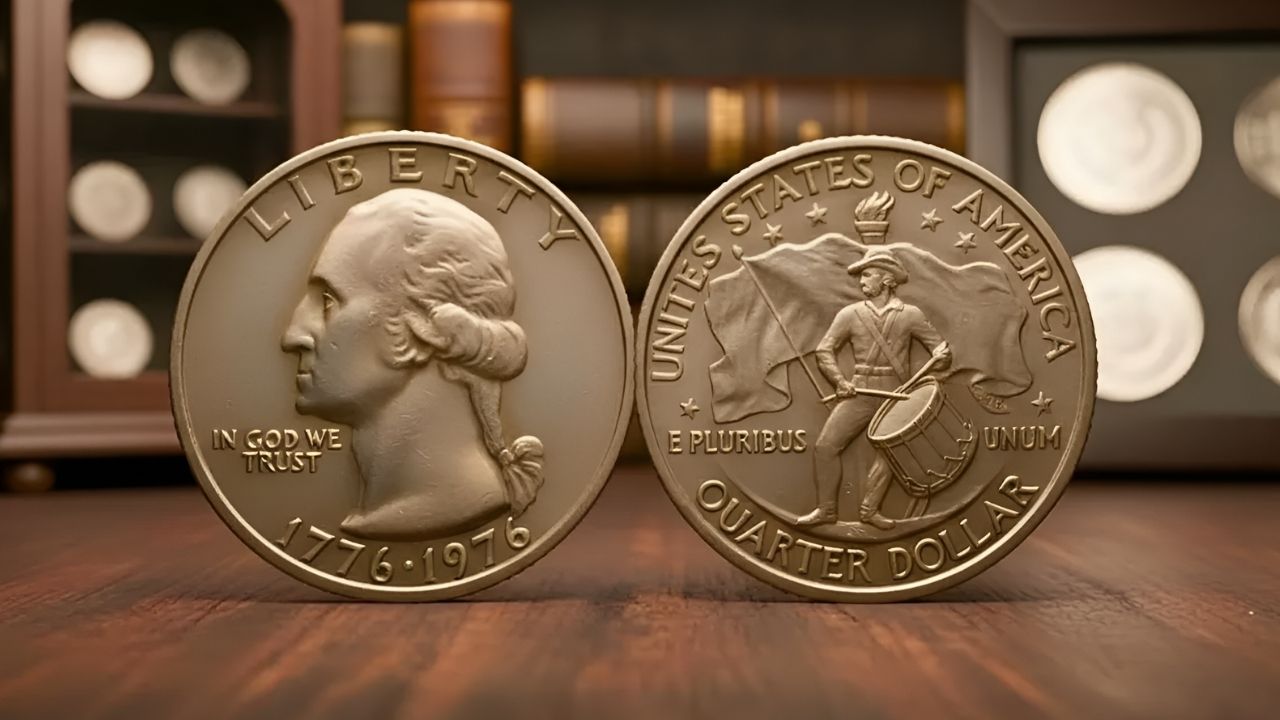
1776–1976 Bicentennial Quarter Worth Money: The 1776–1976 Bicentennial Quarter remains one of the most talked-about coins in American history. Released to celebrate 200 years of independence, this special quarter stands out because of its dual date and unique drummer boy design. While millions were produced and most are still worth just 25 cents, a small number have become highly collectible. Certain errors, silver compositions, and high-grade examples have pushed values far beyond face value.
Collectors and everyday coin holders alike are now rechecking their spare change. With growing interest in rare U.S. coins, the Bicentennial Quarter has regained attention. Understanding what makes one valuable can turn an ordinary pocket coin into a surprising discovery.
Drummer Boy Design That Made History
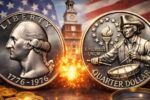
The reverse of the Bicentennial Quarter features a colonial drummer boy designed by Jack L. Ahr. Unlike the standard eagle reverse seen on regular Washington quarters, this special artwork commemorated America’s bicentennial celebration. The obverse kept George Washington’s portrait but included the dual date 1776–1976, making it instantly recognizable.
This patriotic design created emotional value for many Americans, and that nostalgia still fuels collector demand. While most were struck for circulation, the historical symbolism adds to their appeal, especially when found in pristine condition.
Silver Composition Coins Stand Out
Many collectors are surprised to learn that some Bicentennial Quarters were struck in 40 percent silver. These were primarily produced for special collector sets rather than general circulation. Silver versions were minted in San Francisco and typically carry an S mint mark.
The difference in metal content alone increases intrinsic value because of silver weight. Even if not in perfect condition, a silver Bicentennial Quarter often holds more than face value. In higher grades or uncirculated condition, prices can climb significantly in the collector market.
Mint Mark Secrets Increase Value
Bicentennial Quarters were minted in Philadelphia, Denver, and San Francisco. Philadelphia coins typically have no mint mark, Denver coins show a D, and San Francisco coins display an S. Understanding mint marks helps determine rarity and composition.
San Francisco silver proof versions are generally more desirable among collectors. Certain proof coins with deep cameo contrast can command higher premiums. While circulation strikes are common, mint mark combinations and proof finishes can separate ordinary quarters from collectible ones.
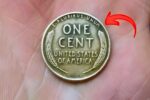
Double Die Errors Grab Attention
One of the most exciting discoveries for collectors is the double die error. This occurs when the coin is struck with a misaligned die, creating a noticeable doubling effect on letters or numbers. On Bicentennial Quarters, doubling may appear on the date or inscriptions such as Liberty or In God We Trust.
True double die examples are scarce and highly sought after. Authentication is crucial, as minor machine doubling is common and less valuable. A confirmed double die Bicentennial Quarter can fetch hundreds depending on clarity and condition.
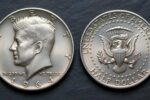
Off Center Strikes Add Rarity
Off center errors happen when the coin blank is not properly aligned during striking. This results in part of the design missing or shifted dramatically. Bicentennial Quarters with strong off center errors are much rarer than standard issues.
Collectors value these mistakes because they are visually obvious and unique. The more dramatic the off center strike, while still showing the date, the higher the potential value. Severe examples in good condition can sell for impressive amounts at auctions.
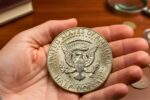
Clipped Planchets Spark Interest
A clipped planchet occurs when a portion of the coin’s metal blank is missing before striking. This creates a curved or straight clip along the edge. On a Bicentennial Quarter, such an error is unusual and easily noticeable.
Collectors look for authentic clips with smooth, natural curves and proper metal flow lines. Fake alterations are common, so professional evaluation helps confirm authenticity. Genuine clipped planchet Bicentennial Quarters can be worth significantly more than standard examples.
High Grade Condition Matters Most
Condition plays a major role in determining a Bicentennial Quarter’s value. Most circulated coins show wear and scratches, limiting their worth. However, coins graded Mint State 65 or higher are far less common.
Professional grading services assess luster, strike quality, and surface preservation. High grade examples, especially silver proofs, can command premium prices. Even a common circulation strike can increase in value dramatically if preserved in near perfect condition.
Proof Coins Shine Brighter
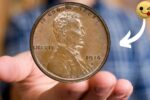
Proof Bicentennial Quarters were specially struck with polished dies and planchets, resulting in a mirrorlike finish. These coins were not intended for circulation and were sold in collector sets.
Deep cameo proofs with strong contrast between frosted designs and reflective backgrounds are especially attractive to collectors. While many proofs remain affordable, top condition examples graded by reputable services can bring much higher prices in the numismatic market.
Rare Varieties Boost Collectibility
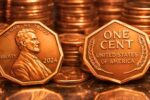
Beyond major errors, subtle varieties can increase desirability. Differences in die polish lines, strike sharpness, and minor design variations sometimes create collectible distinctions. Advanced collectors carefully study these nuances.
Some varieties gain popularity over time as awareness grows. While not every minor variation adds significant value, documented and recognized varieties can bring premiums when properly authenticated and marketed to serious collectors.
Market Demand Keeps Growing
The coin collecting hobby has seen renewed interest in recent years. Online auctions and social media have introduced younger collectors to classic coins like the Bicentennial Quarter. Increased demand often drives prices upward for rare examples.
Silver price fluctuations also influence value. When silver prices rise, 40 percent silver quarters become more attractive. Combined with historical significance, this dual demand keeps high quality Bicentennial Quarters relevant in today’s collector market.
Final Verdict For Collectors
The 1776–1976 Bicentennial Quarter is far more than a nostalgic keepsake. While the majority remain worth only face value, specific silver versions, error coins, and high grade examples can be worth significantly more. The key is careful inspection and proper authentication.
Checking mint marks, examining for errors, and evaluating condition are essential steps. With patience and knowledge, that patriotic quarter in your drawer could turn out to be a rewarding find. For collectors and casual holders alike, the Bicentennial Quarter continues to offer both history and hidden potential.