1972 Doubled Die Penny Worth $14,500: Loose change rarely gets a second look, yet one specific Lincoln cent from 1972 continues to surprise collectors and everyday spenders alike. The 1972 Doubled Die penny has built a strong reputation in the coin market because of its dramatic minting error and impressive auction results. Some top-condition examples have reached prices near $14,500, turning an ordinary one-cent coin into a serious collectible. The best part is that many people still check their pocket change hoping to find one.
What Makes This Penny So Special
The 1972 Doubled Die Lincoln cent stands out because of a bold and highly visible doubling error created during the die production process at the Philadelphia Mint. This is not simple wear or machine vibration. The doubling occurred when the working die received a misaligned impression from the hub, causing design elements to appear twice. The result is strong, clear separation in the lettering and date, making it one of the most recognized doubled die errors in U.S. coin history.
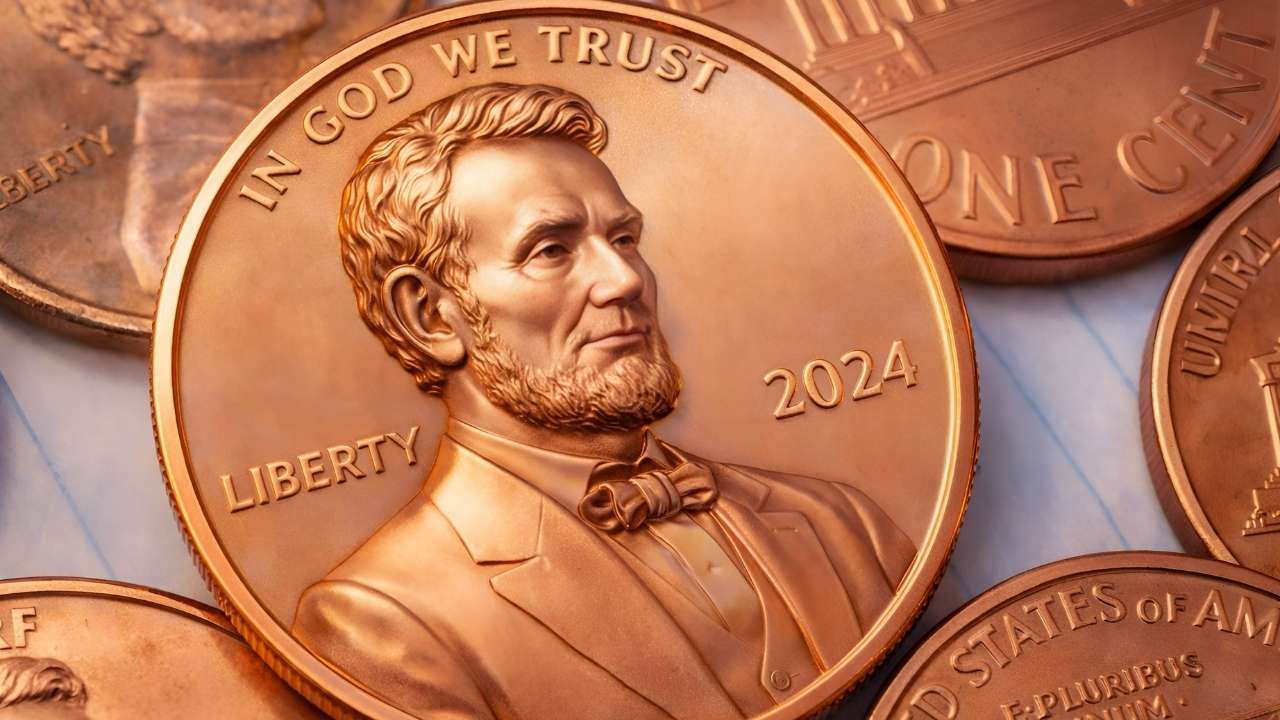
Collectors often refer to this variety as the 1972 Doubled Die Obverse, since the doubling appears on the front side of the coin. The obverse features Abraham Lincoln’s portrait along with the inscriptions. Because the doubling is so dramatic, even beginners can spot it without advanced magnification. That visibility is one of the key reasons the coin remains popular decades after it was minted.
Bold Doubling You Can See
The most important areas to inspect are the words LIBERTY, IN GOD WE TRUST, and the date 1972. On genuine examples, the letters appear thickened and clearly separated, almost as if there is a shadow offset slightly to one side. The doubling is strongest on the left side of the inscriptions. It is not flat or shelf-like. Instead, it shows rounded, full doubling that matches the original design contours.
Under magnification, the separation between letters looks clean and distinct. The effect is especially noticeable in the word LIBERTY, where each letter shows strong doubling. The numbers in 1972 also display separation, particularly in the “7” and “2.” If the coin only shows minor blurring or thin flat edges, it is likely a different form of mechanical doubling and not the valuable doubled die variety.
How Rare Is The Error
While thousands of 1972 pennies were struck, only a small percentage display the true doubled die obverse error. The Philadelphia Mint produced over 2.9 billion Lincoln cents in 1972, but the doubled die variety represents a tiny fraction of that total. Estimates suggest that only tens of thousands of genuine doubled die coins were released into circulation.
Over time, many examples were lost, worn down, or damaged. Coins that survived in high grades are significantly rarer. That rarity directly impacts value. Circulated examples are collectible, but uncirculated pieces with strong red luster are the ones that command the highest prices. The combination of visibility, historical interest, and relative scarcity keeps demand steady among collectors.
What Determines Its Value
Condition plays a major role in pricing. A heavily circulated 1972 Doubled Die penny may sell for a few hundred dollars, depending on eye appeal and detail strength. However, coins graded Mint State with bright red surfaces can reach into the thousands. In exceptional high-grade conditions, auction prices have approached $14,500.
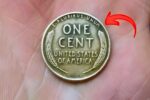
Professional grading services evaluate factors such as luster, strike quality, surface preservation, and color. Lincoln cents are often described as Brown, Red Brown, or Red. Red examples, which retain most of their original copper color, are typically more valuable. Clean surfaces without scratches or spotting also increase the coin’s desirability. Authentication is important because many look-alike coins exist in the marketplace.
Spotting Fakes And Lookalikes
Not every 1972 penny with odd lettering is valuable. Mechanical doubling, also known as machine doubling, is common and far less collectible. Mechanical doubling appears flat and shelf-like, lacking the rounded depth seen on a true doubled die. It often looks like the design was scraped sideways rather than struck twice.
Another point to remember is mint mark. Genuine 1972 Doubled Die Obverse coins were struck in Philadelphia and do not carry a mint mark. If a 1972 penny has a “D” mint mark from Denver, it is not the famous doubled die variety. Careful inspection under proper lighting and magnification is essential before assuming value. When in doubt, professional authentication is recommended.
Why Collectors Still Hunt It
The 1972 Doubled Die penny remains a favorite among error coin enthusiasts because it combines accessibility with genuine value potential. Unlike rare gold coins locked away in vaults, this coin once circulated widely and could still be discovered in old collections, inherited jars, or bank rolls. That treasure-hunt appeal keeps interest alive.
The coin also represents an important era in U.S. minting history. During the early 1970s, die production methods occasionally resulted in dramatic hub doubling errors. The 1972 example is one of the strongest and most visually impressive cases. For collectors building a Lincoln cent set, owning this variety adds both prestige and excitement to their collection.
Tips Before You Spend It
If you come across a 1972 penny, take a moment before spending it. Examine the obverse carefully under magnification. Focus on LIBERTY and IN GOD WE TRUST first, since the doubling there is easiest to identify. Check the date for clear separation. Confirm that there is no mint mark beneath the date.
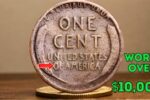
Avoid cleaning the coin, even if it looks dull. Cleaning can damage surfaces and significantly reduce value. Store the coin in a protective holder until it can be properly evaluated. Even circulated examples can be worth meaningful money, so careful handling matters. A simple one-cent coin deserves attention when a rare error is involved.
Final Word On This Coin
The 1972 Doubled Die penny proves that small details can carry big value. With some high-grade examples reaching nearly $14,500, it stands as one of the most exciting modern U.S. coin errors. Strong doubling, no mint mark, and solid condition are the main factors to verify. While not every 1972 penny is rare, checking carefully could reveal a hidden collectible in plain sight. Before you spend that copper coin, take a closer look. It might be far more than just pocket change.