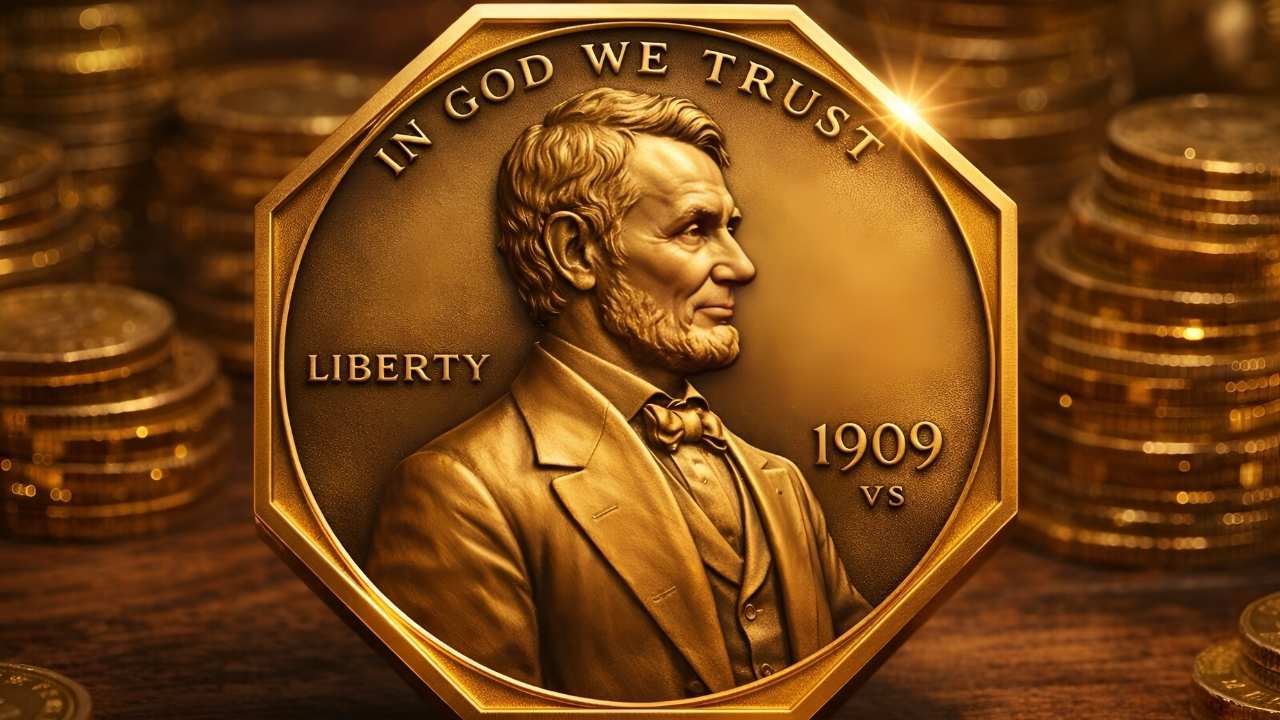
Wheat Pennies Price List: Coin collecting is no longer just a quiet hobby for history lovers. In 2026, it has become a trending search topic, especially when it comes to Wheat Pennies. These small copper coins, once part of everyday pocket change, are now attracting serious attention from collectors, investors, and even beginners who are curious about hidden value. Many people are discovering that the old pennies sitting in drawers or inherited collections could be worth far more than one cent.
The Lincoln Wheat Penny was minted from 1909 to 1958 and remains one of the most recognizable coins in American history. With rising demand in the collectible coin market, values have adjusted in 2026 based on rarity, mint marks, condition, and overall market trends. Below is a complete, fresh, and updated guide to Wheat Penny prices and what collectors are paying this year.

The Coin That Started It All
The Wheat Penny marked a major milestone in American coin design. It was the first regular U.S. coin to feature a real historical figure, President Abraham Lincoln. The reverse side shows two wheat stalks, symbolizing growth and prosperity. This classic design remained in production for nearly five decades.
In 2026, collectors continue to appreciate the historical importance of these coins. While millions were produced, certain years and variations have become increasingly scarce. That scarcity is what drives prices higher today, especially for well-preserved examples.
Everyday Wheat Pennies Still Have Value
Many Wheat Pennies from the 1940s and 1950s are considered common dates. However, that does not mean they are worthless. In 2026, circulated examples from years like 1944, 1946, 1952, or 1957 generally sell for 10 to 25 cents each depending on condition. Bright, uncirculated coins from the same years can range from 2 to 5 dollars.
The copper content also plays a small role in baseline value. Pre-1982 pennies contain more copper, but collectors pay primarily for historical and collectible value rather than metal weight alone.
Depression Era Pennies Gaining Attention
Wheat Pennies from the 1920s and 1930s are seeing stronger demand in 2026. Coins from this period often have lower survival rates because fewer people saved them during tough economic times. A 1930 or 1934 penny in average circulated condition may sell for 40 cents to 1 dollar.
Higher-grade coins from the 1920s can range between 10 and 40 dollars depending on mint mark. Collectors particularly look for clean surfaces, sharp lettering, and minimal wear on Lincoln’s hair and coat details.
Key Dates Driving Big Prices
Certain Wheat Pennies remain the stars of the market in 2026. The 1909-S VDB continues to be one of the most famous and valuable. Even in circulated condition, it can sell for 900 to 1,500 dollars. Mint State examples may exceed 4,000 dollars depending on grade.
The 1914-D is another highly valuable coin. Prices range from 300 to over 2,000 dollars based on condition. The 1931-S is more affordable but still strong, typically valued between 150 and 500 dollars. These key dates are always in demand among serious collectors.
Wartime Pennies Tell A Story
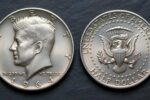
The year 1943 stands out in Wheat Penny history. Due to copper shortages during World War II, most 1943 pennies were struck in steel. Steel pennies are common and usually sell for 20 cents to 1 dollar in circulated condition.
However, the rare 1943 bronze penny remains one of the most valuable error coins ever produced. In 2026, authenticated examples can reach six-figure auction results. On the flip side, the 1944 steel penny is also rare and highly valuable if verified.
Mint Marks Change Everything
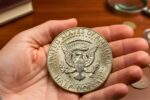
Mint location plays a major role in determining Wheat Penny value. Coins were minted in Philadelphia, Denver, and San Francisco. Philadelphia coins typically have no mint mark, while Denver coins carry a small D and San Francisco coins show an S.
For certain years, the Denver or San Francisco versions had much lower mintages. A 1926-S or 1924-D can be significantly more valuable than the same year without a mint mark. Checking that small letter under the date can completely change a coin’s worth.
Condition Separates Cheap From Costly
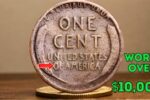
In 2026, coin grading is more important than ever. The difference between a heavily worn coin and a Mint State coin can mean hundreds or even thousands of dollars. Collectors carefully examine surface quality, luster, strike sharpness, and any marks or scratches.
Coins graded Mint State 65 or higher command premium prices. Red-colored copper coins, which retain their original bright shine, are especially desirable. Brown or heavily toned coins generally bring lower prices, even if the date is rare.
Error Coins Create Market Buzz
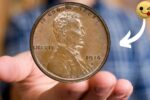
Error Wheat Pennies continue to generate excitement among collectors. The famous 1955 doubled die penny remains one of the most popular varieties. In 2026, circulated examples often sell for 1,200 to 2,000 dollars. Higher grades can go much higher.
Other collectible errors include repunched mint marks, clipped planchets, and off-center strikes. Even small visible doubling in lettering can add significant value. Because error coins are limited by nature, they remain strong performers in today’s market.

Market Trends In 2026
The coin market in 2026 is influenced by online auctions, grading services, and social media exposure. Younger collectors are entering the hobby, creating fresh demand for affordable historic coins like Wheat Pennies. This has slightly increased prices for common dates in high grade.
Certified coins continue to sell for stronger premiums compared to raw coins. Collectors are prioritizing authenticity and verified grading, which adds stability to market prices and protects buyers from counterfeits.

Final Word On Wheat Penny Prices
Wheat Pennies remain one of the most collectible and historically significant U.S. coins in 2026. While many common examples are modestly priced, key dates and rare errors can be extremely valuable. The most important factors remain year, mint mark, rarity, and overall condition.
Anyone holding old pennies should take the time to examine them closely before spending or selling. A simple coin tucked away for decades could turn out to be a valuable collector’s piece. In today’s market, even a small copper cent can carry surprising worth.